1. Tectonic Setting:
* Plate Boundaries: Mineral deposits are often concentrated at plate boundaries due to:
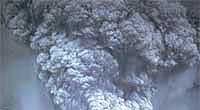
* Volcanism: Magma rising from the mantle brings up minerals and elements, forming deposits.
* Metamorphism: Intense heat and pressure transform existing rocks, creating new minerals.
* Faulting and Folding: These processes create spaces for mineral-rich fluids to circulate and deposit minerals.
* Convergent Boundaries: These are associated with:
* Orogenic Belts: Fold mountains and deep trenches create environments suitable for porphyry copper, gold, and other deposits.
* Divergent Boundaries: These lead to:
* Mid-Ocean Ridges: Hydrothermal vents release minerals from the Earth's interior, forming sulfide deposits.
* Transform Boundaries: These are less likely to host major deposits, but some mineralized zones can occur due to faulting.
2. Rock Types:
* Igneous Rocks: Magmatic intrusions and volcanic eruptions lead to the formation of deposits like:
* Pegmatites: Contain rare earth elements, lithium, and beryllium.
* Skarn Deposits: Copper, zinc, and tungsten deposits.
* Sedimentary Rocks: These can host:
* Banded Iron Formations: Iron ore deposits.
* Evaporites: Salt, gypsum, and potash deposits.
* Metamorphic Rocks: High-grade metamorphic rocks often contain:
* Gold: Associated with quartz veins.
* Diamonds: Formed in the deep mantle under high pressure.
3. Geological Processes:
* Weathering: Chemical weathering can concentrate minerals, creating deposits like bauxite (aluminum ore).
* Erosion and Transportation: These processes can transport minerals, leading to their accumulation in certain areas.
4. Geochemistry:
* Fluid Circulation: Mineral-rich fluids circulate through the Earth's crust, depositing minerals in favorable locations.
* Chemical Reactions: Chemical reactions between rocks, fluids, and minerals can lead to the formation of deposits.
5. Other Factors:
* Climate: Weathering and erosion are influenced by climate, affecting mineral concentration.
* Biological Processes: Organisms can play a role in mineral deposition, forming deposits like coal.
In summary, the abundance of mineral deposits is influenced by a complex interplay of geological factors. The specific location within a tectonic setting, the type of rocks present, the geological processes that have occurred, and other factors all contribute to the concentration of minerals in specific areas.