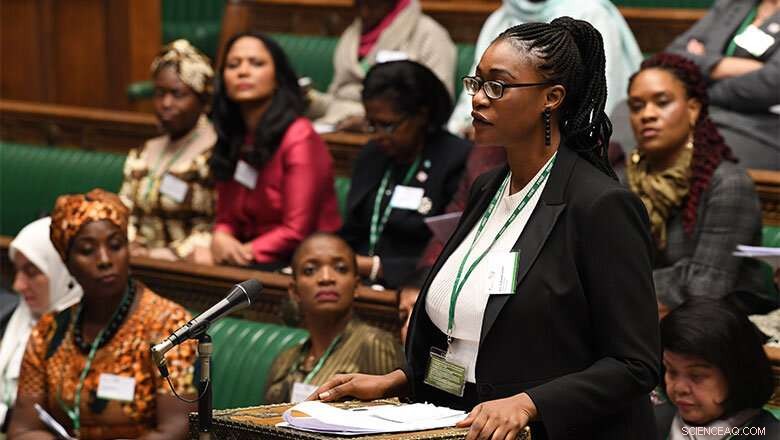
Credit: Jessica Taylor / UK parliament
When women take part in politics, the whole of society benefits. That is the main finding of a new report from Westminster Foundation for Democracy and the Global Institute for Women's Leadership at King's College London.
The report comes as many female-led countries have fared much better than some male-led nations in tackling COVID-19, raising questions about the potential positive impact of women's political leadership.
Women political leaders: the impact of gender on democracy is based on an analysis of over 500 pieces of research into the impacts of women leaders in politics and public life.
The report shows that when women are able to exercise political leadership, there are gains not just for women and girls but for the whole of society.
The main findings of the report include:
Together, these factors represent the key ingredients to drive economies, ensure stability and improve quality of life, the study says.
Yet, the report shows, there are still significant barriers to women's equality of participation in politics and public life. Predominantly: money, violence and cultural norms.
For example, the costs of campaigning are often prohibitive, women entering politics can face violence and sexual harassment, and they are often disadvantaged by negative stereotypes of women.
Professor Rosie Campbell, director of the Global Institute for Women's Leadership at King's College London, said:
"This is a unique and important piece of work that makes an unequivocal case for the multitude of ways that politics, governance, economies and societies thrive when women take their place as leaders."
Shannon O'Connell, director of programmes at Westminster Foundation for Democracy, said:
"Understanding the gendered nature of political leadership and decision-making is more important than ever as we collectively rebuild and hopefully move towards are more sustainable, resilient and inclusive future."