Latitude refers to the angular distance north or south of the equator. It plays a significant role in determining climate patterns, which in turn influence biome distribution.
* Solar radiation: Latitude directly affects the amount of solar radiation received at a particular location. Areas near the equator receive more direct sunlight and higher temperatures, supporting tropical biomes. As latitude increases, solar radiation decreases, leading to cooler temperatures and supporting temperate and polar biomes.
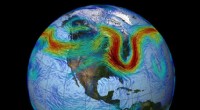
* Precipitation patterns: Latitude influences atmospheric circulation patterns and precipitation. Areas near the equator receive abundant rainfall, while higher latitudes tend to have drier climates. This difference in precipitation is a major factor in distinguishing biomes like rainforests and deserts.
Longitude refers to the angular distance east or west of the prime meridian. While it does influence regional climate variations, its impact on biome distribution is less significant than latitude.
* Ocean currents: Longitude influences the flow of ocean currents, which can moderate temperatures and affect precipitation patterns in coastal areas.
* Continental effects: The presence of large landmasses (continents) and mountain ranges can create rain shadows and other localized climate effects that influence biome distribution along specific longitudes.
In summary:
* Latitude: Major influence on solar radiation, temperature, and precipitation patterns, leading to distinct biome types.
* Longitude: Smaller influence on biome distribution, primarily through ocean currents, continental effects, and local variations in climate.
However, it's important to note that both latitude and longitude play a role in determining biome distribution. Other factors like elevation, topography, and human activities also contribute to the diversity of biomes found on Earth.