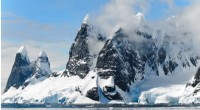
1. Weathering: The breakdown of existing rocks (igneous, metamorphic, or even other sedimentary rocks) into smaller pieces. This can happen through physical (like freezing/thawing) or chemical processes (like acid rain).
2. Erosion: The transportation of weathered rock fragments by wind, water, or ice. This movement wears down the fragments further and carries them away from their original location.
3. Deposition: The settling and accumulation of eroded sediments in a new location, often in layers. This can occur in lakes, oceans, deserts, or even riverbeds.
4. Compaction: As more and more sediment layers accumulate, the weight of the overlying material presses down on the lower layers, squeezing out water and air, and compacting the sediments together.
5. Cementation: Dissolved minerals in the groundwater precipitate between sediment grains, acting like glue to bind them together and create a solid rock. This process solidifies the sediment and turns it into sedimentary rock.