Here's a breakdown:
* Plate Tectonics: The Earth's outer layer is made up of massive plates that are constantly moving and interacting. These interactions are responsible for the majority of crustal deformation.
* Types of Plate Interactions:
* Convergent Boundaries: Where plates collide. This can lead to:
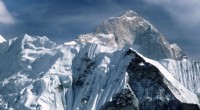
* Mountain formation: (e.g., the Himalayas)
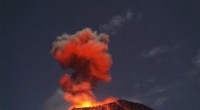
* Subduction: One plate slides beneath another, causing volcanoes and earthquakes.
* Divergent Boundaries: Where plates move apart. This can lead to:
* Mid-ocean ridges: New crust is created as magma rises.
* Rift valleys: Continental crust splits apart.
* Transform Boundaries: Where plates slide past each other horizontally. This causes:
* Earthquakes: (e.g., the San Andreas Fault)
Other factors that contribute to deformation, but to a lesser extent:
* Volcanic Activity: Large eruptions can cause localized deformation.
* Erosion and Weathering: Long-term erosion and weathering can change the shape of the crust.
* Gravity: The weight of mountains can cause the crust to bend.
In summary: Plate tectonics is the dominant force shaping the Earth's crust. It is responsible for mountains, volcanoes, earthquakes, and the continuous cycle of creation and destruction of the Earth's surface.