1. Mountain Ranges Align with Plate Boundaries:
* Convergent Boundaries: Most mountain ranges occur along convergent plate boundaries where tectonic plates collide.
* Continental-Continental Collisions: The Himalayas, Alps, and Appalachian Mountains formed when two continental plates collided, pushing the land upwards.
* Oceanic-Continental Collisions: The Andes Mountains formed when an oceanic plate subducted under a continental plate, creating volcanic activity and uplifting the continental crust.
2. Volcanic Activity and Mountain Formation:
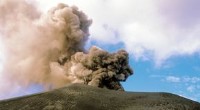
* Subduction Zones: Many mountain ranges, especially those near ocean trenches, are associated with volcanic activity. This happens because the subducting plate melts, and the molten rock rises to the surface, creating volcanoes. These volcanoes often form chains parallel to the trench, contributing to the height of the mountain range.
3. Distribution of Mountains:
* Ring of Fire: The Pacific Ring of Fire, a zone of intense volcanic and seismic activity, is home to many mountain ranges, indicating the role of plate boundaries in their formation.
* Absence of Mountains in the Middle of Plates: Large, stable areas within tectonic plates, far from plate boundaries, generally lack mountains. This further supports the idea that mountains form primarily due to plate interactions.
4. Mountain Chains and Fold Belts:
* Fold Belts: Mountain ranges often show folding and faulting, which are characteristic features of compressional forces. These features are clear evidence of the immense pressure and movement involved in plate collisions.
5. Age and Erosion:
* Young Mountains: Mountains along active plate boundaries are generally younger and have sharper peaks due to ongoing uplift.
* Older Mountains: Mountains in the interiors of continents, far from active plate boundaries, are older and more eroded, showing the effects of weathering and erosion over time.
In conclusion, the locations of mountains, their association with plate boundaries, volcanic activity, and the characteristics of their structures all support the idea that mountains form primarily through the interactions of tectonic plates.