1. Water:
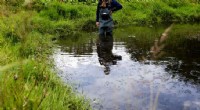
* Rivers: Running water is the most common mode of sediment transport.
* Bed load: Larger, heavier particles (gravel, sand) move along the riverbed, bouncing and rolling.
* Suspended load: Finer sediments (silt, clay) are carried within the water column, suspended by turbulence.
* Dissolved load: Dissolved minerals and salts are transported within the water itself.
* Waves: Waves cause erosion and transport sediment along coastlines.
* Beach drift: The zigzag movement of sand along the shore as waves break at an angle.
* Longshore drift: The movement of sand parallel to the shore due to waves approaching at an angle.
* Ocean currents: Ocean currents can transport large amounts of sediment across vast distances.
2. Wind:
* Saltation: Smaller, lighter particles (sand, silt) hop and skip along the ground.
* Suspension: Fine dust and silt are lifted into the air and carried for long distances.
3. Ice:
* Glaciers: Glaciers carve out valleys and transport sediment embedded within their ice. This sediment is deposited as glacial till when the glacier melts.
* Icebergs: Icebergs can break off glaciers and carry sediment into the ocean.
4. Gravity:
* Mass wasting: Downward movement of sediment due to gravity, including landslides, rockfalls, and mudflows.
Factors Influencing Sediment Transport:
* Sediment size and density: Larger, denser particles require more energy to move.
* Flow velocity: Higher water velocity, stronger wind, or faster glacial movement will carry more sediment.
* Slope: Steep slopes promote gravity-driven sediment transport.
* Weathering and erosion: Weathering breaks down rocks into sediment, making it available for transport.
Sediment Transport Processes are Essential:
* Landform development: Erosion and deposition shape landscapes.
* Coastal protection: Sand transport helps maintain beaches and coastal areas.
* Soil formation: Sediment deposited by rivers and glaciers can form fertile soils.
* Ocean ecosystems: Sediment is essential for the health and productivity of marine ecosystems.