1. Earth's Crust is Made of Plates: The Earth's outer layer, called the crust, is broken into large pieces called tectonic plates. These plates are constantly moving, though very slowly (a few centimeters per year).
2. Plate Collisions: When two plates collide, they can either push against each other (convergent boundaries) or slide past each other (transform boundaries).
3. Mountain Formation: At convergent boundaries, the denser plate dives beneath the lighter plate in a process called subduction. This process can cause the less dense plate to buckle and fold, creating mountains.
4. Types of Mountains:
* Fold Mountains: These are the most common type and form when sedimentary rocks are compressed and folded due to plate collisions. Examples include the Himalayas and the Alps.
* Block Mountains: These form when large blocks of the Earth's crust are uplifted along faults. Examples include the Sierra Nevada and the Grand Tetons.
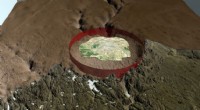
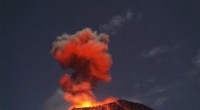
* Volcanic Mountains: These are formed by the eruption of magma from the Earth's interior. Examples include Mount Fuji and Mount Kilimanjaro.
Other Factors:
* Erosion: Weathering and erosion can shape and sculpt mountains over millions of years.
* Isostasy: The balance between the weight of the mountains and the buoyancy of the Earth's mantle also plays a role in mountain formation.
In summary: Mountains are a result of the dynamic processes occurring within the Earth's crust, driven by the movement of tectonic plates. They are a testament to the immense power of nature and the slow, but relentless, forces that shape our planet.