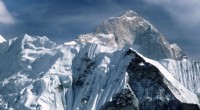
* Convergent Plate Boundaries: The tallest mountains on Earth are formed at convergent plate boundaries where two tectonic plates collide.
* Subduction: In many cases, one plate (the denser oceanic plate) is forced beneath the other (the continental plate) in a process called subduction. This process creates intense pressure and heat, leading to:
* Volcanic Arcs: The subducted plate melts, and the molten rock rises to the surface, creating volcanoes. The Andes Mountains are an example of a volcanic arc.
* Mountain Ranges: The collision of the plates also causes the continental crust to fold, buckle, and uplift, forming massive mountain ranges like the Himalayas.
Other Factors:
* Erosion: While plate tectonics is the primary force, erosion plays a significant role in shaping and shaping mountains. Weathering and erosion can both wear down mountains over time.
* Isostatic Adjustment: The weight of mountains exerts pressure on the Earth's mantle, causing it to flow outward. This process, known as isostatic adjustment, can further uplift mountains.
In summary: Plate tectonics, specifically the process of convergent plate boundaries and subduction, is the dominant force behind the formation of the highest mountains on Earth.