* Sediment deposited in a riverbed: This is a good place for fossils! Riverbeds are often areas of deposition where organisms can be buried quickly, preserving their remains.
* Thick deposit of dried mud layers: This is also a potentially good environment for fossils. Mud can preserve delicate structures, and drying out can help solidify the sediment.
* Sand that accumulates over thousands of years in a desert: While sand can accumulate over time, deserts are often very harsh environments. The lack of moisture and the constant movement of sand (wind erosion) make it unlikely for fossils to be preserved in good condition.
Here are some other environments that are unlikely to contain fossils:
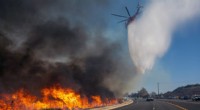
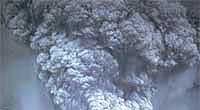
* Active volcanoes: The heat and extreme conditions of active volcanoes would destroy any organic remains.
* High-energy ocean environments: Strong waves and currents would constantly move and break down any fossils that might form.
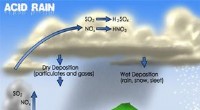
* Areas with high acidity: Acidic environments can dissolve bones and other organic materials.
Remember: The best environments for fossil preservation are typically:
* Areas with rapid burial: This protects the remains from scavengers and decomposition.
* Stable environments: Areas with minimal disturbance, like deep ocean floors or ancient lakebeds.
* Conditions that promote fossilization: The presence of minerals that can replace or solidify the original organic material.