1. Rapid Burial: The organism needs to be buried quickly after death to prevent decomposition and scavenging. This is usually achieved by:
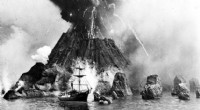
* Sedimentation: Being covered by layers of sediment like sand, mud, or volcanic ash.
* Sudden events: Being trapped in amber, frozen in ice, or engulfed in tar pits.
2. Hard Parts: The organism needs to have hard parts that resist decomposition, such as:
* Bones: The most common type of fossil, bones are relatively durable and can survive for long periods.
* Shells: Mollusk shells and other exoskeletons are also resistant to decomposition.
* Teeth: These are often found in fossilized form, even when other parts of the organism have decayed.
While these are the most common conditions, other factors like the environment (low oxygen, acidic soil) and the presence of certain minerals can also contribute to fossil formation.