* Earth's Crust is Made of Plates: The Earth's outer layer, called the lithosphere, is broken into massive pieces called tectonic plates. These plates are constantly moving, though very slowly, due to convection currents in the Earth's mantle.
* Types of Plate Boundaries: The way these plates interact at their boundaries is what leads to earthquakes:
* Convergent Boundaries: When plates collide, one plate usually subducts (sinks) beneath the other. This process generates immense pressure and friction, causing earthquakes. The more dramatic the collision, the stronger the earthquake.
* Divergent Boundaries: Where plates move apart, magma rises from the mantle, creating new crust. This process can also cause earthquakes, but they are generally less powerful than those at convergent boundaries.
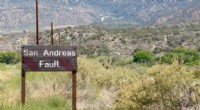
* Transform Boundaries: Plates slide past each other horizontally, creating friction and stress that lead to earthquakes. The famous San Andreas Fault is an example of a transform boundary.
So, it's not a single plate causing earthquakes, but the movement and interaction between multiple plates at their boundaries.