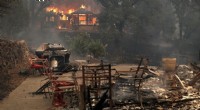
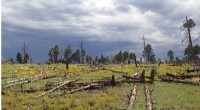
The Oso landslide, also known as the Steelhead landslide, occurred on March 22, 2014, in the state of Washington, USA. It was a massive debris flow that killed 43 people and destroyed several homes.
Here are key details:
* Location: The landslide happened on a steep, heavily forested slope near the town of Oso, Washington, located north of Seattle.
* Trigger: The main trigger was heavy rainfall and saturated soil conditions, leading to instability of the slope.
* Type of Landslide: This was a debris flow, characterized by a fast-moving mixture of soil, rocks, and debris.
* Scale: The landslide involved a massive amount of material, covering a large area.
* Impact: The landslide destroyed numerous homes, roads, and infrastructure, tragically claiming the lives of 43 people.
The Oso Landslide serves as a powerful example of the destructive nature of landslides and the importance of understanding their risks. This event highlighted the vulnerability of areas with steep slopes and the need for effective mitigation strategies.
Other Examples of Landslides:
* The Vaiont Dam Disaster (Italy, 1963): A massive landslide triggered by a reservoir, resulting in a catastrophic wave that destroyed villages and killed over 2,000 people.
* The Turnagain Arm Landslide (Alaska, 1964): A massive landslide caused by the Great Alaskan earthquake, burying a highway and causing significant damage.
* The La Conchita Landslide (California, 2005): A debris flow triggered by heavy rain, killing 10 people and destroying homes.
These examples demonstrate the diverse nature of landslides, their potential for devastation, and the crucial role of understanding their causes and risks.