1. Subduction:
* One tectonic plate, typically an oceanic plate, is denser than the other (often a continental plate) and sinks beneath it. This process is called subduction.
* As the denser plate descends, it experiences increasing pressure and temperature.
2. Partial Melting:
* The descending plate contains water and other volatile compounds. As it sinks, these volatiles are released into the overlying mantle.
* This addition of water lowers the melting point of the mantle rocks, causing them to partially melt.
3. Magma Generation:
* The molten rock, or magma, is less dense than the surrounding solid rock and rises buoyantly.
* The magma travels upwards through the overlying plate, eventually reaching the surface.
4. Volcanic Eruptions:
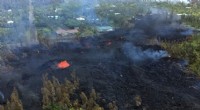
* When the magma reaches the surface, it erupts as volcanoes, forming the island arc.
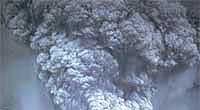
* These volcanoes often erupt explosively because the magma is viscous and contains dissolved gases.
Key Factors:
* Subduction Zone: Island arcs only form in subduction zones, where one plate is forced beneath another.
* Volatiles: The release of water and other volatiles from the subducting plate plays a crucial role in generating magma.
* Magma Composition: The magma generated in island arcs is typically andesitic or dacitic, which is more viscous than basaltic magma and leads to explosive eruptions.
Example: The Japanese islands are a classic example of an island arc formed by the subduction of the Pacific Plate beneath the Eurasian Plate.
In summary, the process of subduction, the release of volatiles, and the subsequent generation of magma lead to the formation of island arcs of volcanoes.