Natural Resources of the Georgia Coastal Plain:
* Agriculture: The fertile soil and warm climate make the coastal plain ideal for agriculture. Major crops include:
* Cotton: Historically a staple crop, production has decreased but still remains important.
* Peanut: A major agricultural product, known as the "Georgia peanut."
* Timber: Extensive pine forests provide lumber and pulpwood.
* Fruits and Vegetables: Peaches, blueberries, pecans, watermelon, and other fruits and vegetables are grown in abundance.
* Livestock: Cattle, poultry, and hogs are raised extensively.
* Forestry: The coastal plain supports vast pine forests, crucial for:
* Lumber: Used for construction, furniture, and other products.
* Pulpwood: Used in paper production.
* Wildlife Habitat: Provides shelter and food for diverse wildlife.
* Mineral Resources: Though less abundant than in other parts of Georgia, the coastal plain has:
* Clay: Used in brick production.
* Sand and Gravel: Essential for construction and road building.
* Titanium
* Phosphate
* Water Resources: The coastal plain is home to:
* Rivers: The Savannah, Altamaha, and Satilla Rivers provide drinking water, irrigation, and transportation.
* Aquifers: Underground sources of freshwater used for drinking and agriculture.
* Coastal Wetlands: Estuaries and marshes play a crucial role in filtering water and providing habitat for fish and wildlife.
* Tourism: The coastal plain boasts beautiful beaches, barrier islands, and historic cities, attracting tourists for:
* Recreation: Swimming, sunbathing, fishing, boating, and other water sports.
* Cultural Heritage: Historic sites, museums, and festivals.
* Wildlife and Fisheries: The coastal plain supports a diverse range of wildlife and fisheries, including:
* Fish: Shrimp, oysters, crabs, and other commercially important species.
* Wildlife: Deer, turkey, quail, and other game animals; alligators, turtles, and a variety of birds.
Environmental Considerations:
The coastal plain faces several environmental challenges, including:
* Pollution: Agricultural runoff, industrial waste, and urban sprawl can contaminate water and soil.
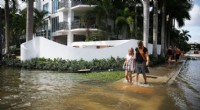
* Coastal Erosion: Rising sea levels and storm surge threaten coastal communities and ecosystems.
* Habitat Loss: Development and agriculture are fragmenting natural habitats, impacting wildlife populations.
Sustainable Management:
Effective management of the coastal plain's resources is crucial for its long-term health and prosperity. This includes:
* Conserving water resources.
* Promoting sustainable agriculture.
* Protecting coastal ecosystems.
* Managing wildlife populations.
* Developing tourism responsibly.
By addressing these challenges and promoting sustainable practices, Georgia can ensure that its coastal plain continues to provide essential resources for generations to come.