Here's why:
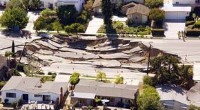
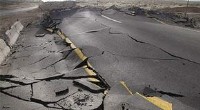
* Earthquakes: Earthquakes are caused by the sudden release of energy in the Earth's crust, usually along fault lines where tectonic plates interact. They manifest as ground shaking and can cause significant damage.
* Mountains: Mountains are formed through a variety of geological processes, including tectonic plate collisions (mountain building), volcanic activity, erosion, and uplift.
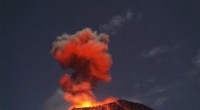
* Volcanoes: Volcanoes are openings in the Earth's crust where magma, ash, and gases erupt onto the surface. They are typically associated with tectonic plate boundaries but can also occur in areas of volcanic hotspots.
Connection:
While these phenomena are separate, there is a connection between them. For example:
* Tectonic plate movements: Earthquakes, mountains, and volcanoes are often linked to tectonic plate movements. The interaction of these plates can cause earthquakes, uplift mountains, and create volcanic activity.
* Volcanic mountains: Some mountains are formed by volcanic activity. These are called volcanic mountains, and they can be very large, like Mount Fuji in Japan.
Therefore, it's inaccurate to classify them together. They are related through geological processes, but they are distinct geological features with different origins and characteristics.