Here's why:
* Low viscosity: Basaltic magma has low viscosity, meaning it flows easily like honey. This allows the magma to travel long distances before solidifying.
* Low gas content: Basaltic magma also has a relatively low gas content. This results in less explosive force.
Characteristics of effusive eruptions:
* Lava flows: These are slow-moving rivers of molten rock that can extend for miles.
* Fissure eruptions: Magma erupts from long cracks in the earth's surface.
* Shield volcanoes: These are broad, gently sloping volcanoes built up by successive lava flows.
Examples of basaltic effusive eruptions:
* Kilauea Volcano, Hawaii: This volcano is famous for its long-lasting, effusive eruptions.
* Icelandic fissure eruptions: These eruptions often produce large lava fields.
Exceptions:
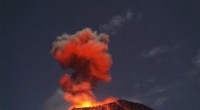
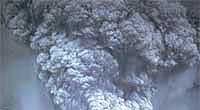
While basaltic eruptions are typically effusive, there are some exceptions. In rare cases, basaltic magma can produce explosive eruptions if:
* The magma interacts with groundwater. This can cause steam explosions.
* The magma contains a high gas content. This can create a more forceful eruption.
Summary:
Basaltic magma most often results in effusive eruptions with lava flows and shield volcanoes. However, the presence of water or a high gas content can lead to explosive eruptions.