* Hotspot: A hotspot is a plume of abnormally hot mantle material that rises from deep within the Earth. This plume melts the overlying crust, generating magma. The magma then rises to the surface and erupts, forming volcanoes.
* Formation of Hawaii: The Hawaiian Islands are formed by the movement of the Pacific Plate over a stationary hotspot. As the plate moves, the hotspot continues to produce magma, creating a chain of volcanoes. Kilauea is the youngest volcano on this chain, as it is located directly over the hotspot.
The specific geological process of Kilauea's creation is as follows:
1. Mantle Plume: A plume of hot mantle material rises from deep within the Earth, melting the Pacific Plate.
2. Magma Formation: The melted rock (magma) is less dense than the surrounding solid rock, so it rises through the crust.
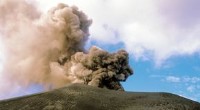
3. Eruption: The magma eventually reaches the surface and erupts, forming Kilauea.
4. Shield Volcano: The eruptions from Kilauea are typically effusive, meaning they produce large amounts of fluid lava that spread out over a wide area. This results in the formation of a shield volcano, characterized by its broad, gently sloping shape.
So, in essence, the combination of a hotspot and volcanism is responsible for the creation of Kilauea and the entire Hawaiian island chain.