Here's why:
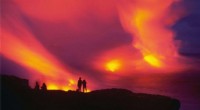
* Subduction Zones: When an oceanic plate collides with another plate, the denser oceanic plate is forced beneath the less dense plate. This process, called subduction, creates a zone where the descending plate melts due to the intense heat and pressure. This molten rock, called magma, rises to the surface and erupts, forming volcanoes.
* Island Arcs: Where oceanic crust subducts beneath oceanic crust, volcanic island arcs form. Think of the islands of Japan or the Aleutian Islands.
* Continental Volcanic Arcs: Where oceanic crust subducts beneath continental crust, volcanic mountain ranges form along the edge of the continent. The Andes Mountains in South America are a great example.
While other plate boundaries can sometimes have volcanic activity, they are less common and typically less intense:
* Divergent Plate Boundaries: These boundaries involve plates moving apart. While they can produce volcanic activity, the magma is typically less viscous and the eruptions are more effusive (flowing) rather than explosive.
* Transform Plate Boundaries: These boundaries involve plates sliding past each other horizontally. While some volcanic activity can occur due to the friction and heat generated, it's relatively rare and less significant compared to convergent boundaries.
In short, the most likely place to find above-ground volcanic activity is where oceanic plates are sinking beneath other plates at convergent boundaries.