1. Solar Radiation:
* The sun's rays are the most significant heat source.
* Darker ice absorbs more solar energy, accelerating melting.
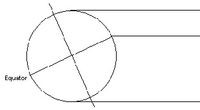
* The angle of the sun's rays and the duration of daylight also play a role.
2. Air Temperature:
* Warmer air temperatures directly transfer heat to the glacier's surface, causing melting.
* Even temperatures slightly above freezing can lead to significant melting over time.
3. Water Temperature:
* Liquid water, whether from melting ice or rain, conducts heat to the glacier, increasing the rate of melting.
* Warm water runoff from rivers and streams can also accelerate melting.
4. Wind:
* Winds can transport warm air masses to glaciers, causing them to melt.
* Winds can also remove snow and ice, exposing the glacier to more sunlight and warm air.
5. Albedo Effect:
* Glaciers are naturally reflective, reflecting away some solar radiation.
* However, as glaciers melt, darker surfaces like rock and dirt are exposed, absorbing more heat and accelerating the melting process.
6. Human Activities:
* Climate change, driven by human activities like burning fossil fuels, is leading to warmer air and water temperatures, contributing to widespread glacier melt.
* Local activities like deforestation and black carbon pollution can also influence glacier melt.
7. Internal Heat:
* Friction from glacial movement generates some heat, contributing to melting, but this effect is generally minor compared to external heat sources.
It's important to note that glaciers are dynamic systems. While they are melting at an alarming rate due to climate change, they are also constantly being replenished by snowfall. The balance between melting and accumulation determines whether a glacier grows or shrinks.