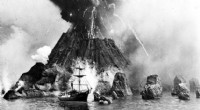
Formation:
* Explosive eruption: Cinder forms during eruptions where the lava is fragmented into small pieces.
* Rapid cooling: As the lava fragments are thrown into the air, they cool quickly, forming a porous and vesicular texture.
* Gas bubbles: The rapid cooling traps gas bubbles within the lava fragments, giving cinder its characteristic porous and lightweight appearance.
Characteristics:
* Size: Typically ranges from pea-sized to fist-sized, sometimes even larger.
* Shape: Irregular and often angular, with a rough, glassy surface.
* Color: Varies depending on the composition of the lava, but common colors include black, brown, red, and gray.
* Texture: Porous and vesicular, with many small holes (vesicles) from trapped gas.
* Density: Relatively lightweight due to the high percentage of air pockets.
Uses:
* Construction material: Cinder is often used as a lightweight aggregate in concrete and asphalt.
* Landscaping: Used as a decorative material in gardens and playgrounds.
* Soil amendment: Can be used to improve soil drainage and aeration.
* Geologic study: Helps scientists understand the composition and history of volcanic eruptions.
Distinguishing from other volcanic rocks:
* Basalt: Dense, dark-colored volcanic rock, lacking the porous texture of cinder.
* Pumice: Another porous volcanic rock, but typically lighter in color and less dense than cinder.
In summary, volcanic cinder is a unique type of volcanic rock formed from rapidly cooled, gas-rich lava fragments. It's recognizable by its porous texture, irregular shape, and often dark color.