1. Resource Extraction:
* Mining: Extensive mining for gold, silver, coal, and other minerals has scarred the landscape, leaving behind open pits, tailings ponds, and polluted water sources.
* Logging: Large-scale logging has depleted forests, impacting biodiversity and contributing to soil erosion. While some areas are managed sustainably, historical practices have left their mark.
* Energy Development: Oil and gas extraction, along with the infrastructure associated with it (pipelines, roads, drilling sites), has altered the landscape and disrupted natural ecosystems.
2. Land Use and Development:
* Urban Sprawl: Increased population and urbanization have led to the expansion of cities and towns, encroaching on natural habitats and fragmenting wildlife corridors.
* Agriculture: Ranching and farming have impacted vegetation patterns, altered water flow, and sometimes led to soil degradation.
* Tourism: While a source of economic benefit, tourism can put pressure on natural resources, contribute to noise pollution, and lead to overcrowding in sensitive areas.
3. Climate Change:
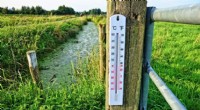
* Rising Temperatures: Warming temperatures are impacting snowpack, affecting water availability and altering plant and animal life cycles.
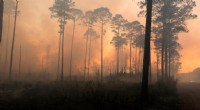
* Increased Wildfires: Drought conditions and drier vegetation due to climate change lead to more frequent and intense wildfires, damaging ecosystems and releasing harmful pollutants.
* Changes in Glacier Systems: Melting glaciers, which are vital for water sources, are altering water flows and impacting downstream ecosystems.
4. Invasive Species:
* Introduced Plants and Animals: Human activities have facilitated the introduction of non-native species, which can outcompete native flora and fauna, disrupting delicate ecological balances.
5. Pollution:
* Air Pollution: Emissions from vehicles and industrial activities contribute to air pollution, affecting air quality and impacting plant and animal health.
* Water Pollution: Runoff from agriculture, mining, and urban areas can pollute rivers and streams, harming aquatic life and impacting water availability.
Overall Impact:
The Rocky Mountains are a testament to the power of nature, but they are also vulnerable to human activities. These impacts have resulted in:
* Biodiversity Loss: Habitat fragmentation and pollution threaten numerous species, including iconic wildlife like elk, bighorn sheep, and grizzly bears.
* Ecosystem Degradation: The health of forests, grasslands, and aquatic ecosystems is impacted by pollution, invasive species, and land use changes.
* Water Resource Challenges: Reduced snowpack, increased drought, and pollution put pressure on water resources for both humans and wildlife.
Looking Ahead:
Recognizing the impacts of human activity on the Rocky Mountains is crucial. Sustainable practices, conservation efforts, and policies aimed at mitigating climate change are essential to preserve the beauty and biodiversity of this majestic landscape for future generations.