* Mass extinction events: These events can wipe out large numbers of species, leading to a dramatic shift in the fossil record. Examples include the Permian-Triassic extinction event (the "Great Dying") and the Cretaceous-Paleogene extinction event that wiped out the dinosaurs.
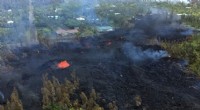
* Major geological events: These can include large-scale volcanic eruptions, asteroid impacts, or tectonic shifts that drastically alter the Earth's environment and reshape the continents.
* Climate change: Significant changes in global climate, such as ice ages or periods of extreme heat, can also lead to extinctions and the emergence of new species.
These events are often reflected in the geological record, with distinctive changes in rock formations, fossil types, and the distribution of different minerals.
It's important to note that the boundaries between geological periods are not always clear-cut and can be subject to debate among scientists. The International Commission on Stratigraphy (ICS) is responsible for defining and naming geological periods, and they rely on a combination of geological and paleontological evidence to establish these boundaries.