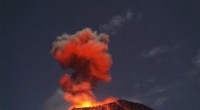
Here's why:
* Igneous rocks are formed from the cooling and solidification of molten rock (magma or lava).
* Magma is molten rock found beneath the Earth's surface, while lava is molten rock that has erupted onto the surface.
* Volcanic eruptions bring magma to the surface, where it cools and solidifies, forming igneous rocks.
There are two main types of igneous rocks produced by volcanic activity:
* Extrusive igneous rocks: These are formed from lava that cools and solidifies on the Earth's surface. Examples include basalt, rhyolite, and obsidian.
* Intrusive igneous rocks: These are formed from magma that cools and solidifies beneath the Earth's surface. Examples include granite, gabbro, and diorite.
So, the next time you see a volcanic rock, remember it was once molten rock, transformed by the power of volcanic activity!