1. State of Matter:
* Oxygen: Exists as a gas (O2) in the atmosphere.
* Rocks and Minerals: Exist as solids.
2. Chemical Composition:
* Oxygen: Is a pure element, consisting only of oxygen atoms.
* Rocks and Minerals: Are composed of multiple elements combined in specific proportions. For example, quartz is made of silicon and oxygen (SiO2).
3. Structure:
* Oxygen: Individual oxygen molecules are held together by weak bonds in the atmosphere.
* Rocks and Minerals: Have a defined crystalline structure where atoms are arranged in a repeating pattern.
4. Origin:
* Oxygen: The oxygen in our atmosphere is largely a product of photosynthesis by plants and algae.
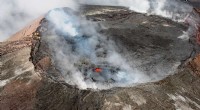
* Rocks and Minerals: Formed over millions of years through geological processes like volcanic activity, weathering, and sedimentation.
5. Function:
* Oxygen: Essential for respiration in living organisms.
* Rocks and Minerals: Provide a physical structure for the Earth's crust, hold valuable resources, and contribute to geological processes.
6. Reactivity:
* Oxygen: A highly reactive element, readily forming compounds with other elements.
* Rocks and Minerals: Generally more stable and less reactive, although some can be weathered or dissolved by chemical reactions.
In summary, oxygen in the atmosphere is a gas, a pure element, and a vital component of life. Rocks and minerals are solids, composed of various elements, and form the foundation of the Earth's crust.