1. Metamorphic Belts: Amphibolite is a common rock type found in regional metamorphic belts, where large areas of rocks have been subjected to intense heat and pressure. This includes:
* Orogenic belts: These are zones of mountain building, where collision between tectonic plates causes significant deformation and metamorphism.
* Continental shields: These are ancient and stable parts of the Earth's crust, where rocks have undergone multiple cycles of metamorphism.
2. Contact Metamorphism: When magma intrudes into existing rocks, the heat from the magma can cause metamorphism. This is called contact metamorphism, and amphibolite can form in the aureole (zone of altered rocks) surrounding the intrusion.
3. Subduction Zones: Amphibolite can also form in subduction zones, where one tectonic plate slides beneath another. The high pressure and temperature in subduction zones can transform existing rocks into amphibolite.
4. Other Occurrences: Amphibolite can also be found in less common settings, such as:
* Oceanic crust: Some oceanic crust contains amphibolite, indicating past tectonic activity.
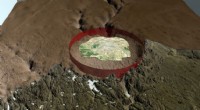
* Impact craters: The intense shock waves and heat from asteroid impacts can transform rocks into amphibolite.
Specific Locations:
Amphibolite is found worldwide, but some notable locations include:
* The Alps: Amphibolite is a common rock type in the European Alps.
* The Appalachian Mountains: The Appalachian Mountains contain extensive amphibolite formations.
* The Himalayas: The Himalayan mountain range also features numerous amphibolite outcrops.
* Scotland: The Scottish Highlands are known for their amphibolite formations.
* Greenland: Amphibolite is common in Greenland's Precambrian shields.
If you are looking for amphibolite in a specific area, it is best to consult geological maps and literature to determine its presence. You can also reach out to local geological surveys or universities for guidance.