Environmental Impacts:
* Positive:
* Soil Enrichment: Volcanic ash is rich in nutrients, making the surrounding soil incredibly fertile for agriculture.
* New Land Formation: Volcanic eruptions can create new islands and land masses.
* Geothermal Energy: Volcanic areas can provide a source of geothermal energy for power generation.
* Negative:
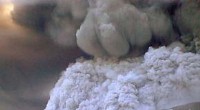
* Air Pollution: Volcanic eruptions release massive amounts of ash, gases (including sulfur dioxide, carbon dioxide), and particulate matter into the atmosphere. This can cause respiratory problems, acid rain, and even climate change.
* Destruction of Ecosystems: Lava flows and pyroclastic flows (hot ash and gas) can devastate forests, wildlife habitats, and entire ecosystems.
* Tsunamis: Underwater volcanic eruptions can trigger tsunamis, causing widespread destruction.
Impacts on Humans:
* Positive:
* Tourism: Volcanoes are a major tourist attraction, supporting local economies.
* Mineral Resources: Volcanoes often create deposits of valuable minerals, such as gold, silver, and copper.
* Negative:
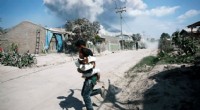
* Loss of Life: Volcanic eruptions can be deadly, causing death by burns, asphyxiation, or injuries from falling debris.
* Property Damage: Volcanic eruptions can destroy homes, businesses, and infrastructure.
* Disruption to Transportation: Ashfall can shut down airports, roads, and other forms of transportation.
* Health Issues: Volcanic ash can cause respiratory problems, eye irritation, and other health issues.
Long-Term Effects:
* Climate Change: Volcanic eruptions release greenhouse gases and ash into the atmosphere, potentially contributing to climate change. However, the effects are often short-lived compared to human-caused emissions.
* Global Cooling: Large eruptions can cause temporary global cooling by releasing sulfur dioxide, which forms sulfate aerosols that reflect sunlight back into space.
Overall, the impact of volcanoes is complex and multifaceted. While they can have destructive consequences, they also play a vital role in shaping the Earth's environment and providing valuable resources.