Geological Clues:
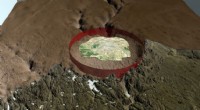
* Presence of Karst Topography: Bauxite often forms in areas with karst landscapes, which are characterized by sinkholes, caves, and underground drainage systems. These formations are the result of the dissolution of soluble rocks like limestone, leaving behind residual bauxite deposits.
* Presence of Lateritic Soils: Lateritic soils, typically red-colored, are enriched in iron and aluminum oxides. Bauxite is a major source of aluminum oxide, so its presence in lateritic soils is a strong indicator.
* Presence of Alumina-Rich Rocks: Bauxite forms from the weathering of alumina-rich rocks like nepheline syenite, anorthosite, and basalt. Finding these rocks nearby can suggest the potential for bauxite deposits.
* Presence of Sedimentary Rocks: Bauxite can sometimes be found in sedimentary rocks, such as sandstone and shale. These rocks provide clues about the environment in which the bauxite was formed.
Topographic Clues:
* Elevation and Slopes: Bauxite often forms on elevated areas, plateaus, or gentle slopes with good drainage. This is because bauxite formation requires prolonged exposure to weathering and leaching.
* Drainage Patterns: The presence of drainage channels, valleys, and gullies can indicate areas where weathering and erosion have occurred, potentially concentrating bauxite deposits.
Vegetation Clues:
* Plant Species: Certain plant species are known to thrive in bauxite-rich soils. The presence of these species can be a clue to the potential for bauxite deposits.
* Nutrient Deficiencies: Bauxite soils are often low in nutrients, so plants growing in these areas may show signs of nutrient deficiencies.
Other Clues:
* Geochemical Surveys: Analyzing the chemical composition of soil, water, and vegetation can reveal anomalies that indicate the presence of bauxite.
* Remote Sensing: Satellite imagery and aerial photographs can be used to identify areas with specific geological and topographic characteristics that are favorable for bauxite deposits.
It's important to note that finding bauxite deposits requires a combination of these clues, along with careful geological and geochemical analysis.