* Formation: Sedimentary rocks are formed from the accumulation and cementation of sediments like sand, mud, and organic matter. This process often occurs in environments where life exists, making it ideal for preserving remains.
* Fossil Preservation: The deposition and burial of organisms in sediments protect them from decay and weathering, allowing for fossilization.
* Types of Sedimentary Rocks: Fossils are commonly found in rocks like:
* Limestone: Formed from the accumulation of marine organisms' shells and skeletons.
* Sandstone: Formed from sand grains deposited in various environments, including those with fossils.
* Shale: Formed from fine-grained clay and silt, often containing the remains of small organisms.
Other Rock Types:
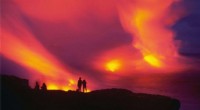
* Igneous rocks (formed from cooled magma or lava) are unlikely to contain fossils because the intense heat and pressure involved in their formation destroy any existing organic remains.
* Metamorphic rocks (formed by the transformation of existing rocks under heat and pressure) can sometimes contain fossils, but they are often distorted or destroyed during the metamorphic process.
In summary: While fossils can be found in rare instances in other rock types, sedimentary rocks are the most common and reliable source of fossils.