Silica (SiO2):
* Viscosity: Silica content directly affects magma's viscosity. Higher silica content leads to thicker, more viscous magma. This is like comparing honey (high silica) to water (low silica).
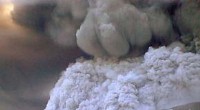
* Eruption Style: Highly viscous magma (high silica) traps gases, leading to a build-up of pressure. This pressure eventually releases explosively, causing powerful eruptions. Examples include rhyolitic eruptions with Plinian columns and pyroclastic flows.
* Eruptive Force: High silica magmas are more likely to produce explosive eruptions with higher eruptive force.
Water (H2O):
* Gas Pressure: Water dissolved in magma acts as a volatile component. As magma rises and pressure decreases, water vaporizes, creating immense gas pressure.
* Explosive Potential: This gas pressure can contribute to explosive eruptions. The more water present, the greater the potential for explosiveness.
* Eruptive Force: Water, along with other volatiles, greatly influences the explosive force of eruptions. Even low-silica magmas can be explosive if they have a high water content.
In summary:
* Silica: Controls magma's viscosity, which directly influences how easily gases can escape.
* Water: Provides the gas pressure that fuels explosive eruptions.
It's not a simple "either/or" situation. Both silica and water content influence the eruptive force of volcanoes, and their combined effect determines the type and magnitude of the eruption.
Example:
* A volcano with high silica magma (e.g., rhyolite) and high water content will have a very high risk of explosive eruptions with significant force.
* A volcano with low silica magma (e.g., basalt) and low water content is more likely to have effusive eruptions with lower force.
Ultimately, the interaction of silica and water content, along with other factors like magma temperature and depth, determines a volcano's eruptive force.