1. Biological Processes:
* Decomposition and fossilization: When organisms die, their remains are decomposed by bacteria and fungi. Under specific conditions, these remains can be buried and transformed into fossil fuels (coal, oil, natural gas) over millions of years.
* Marine sedimentation: The shells and skeletons of marine organisms, composed of calcium carbonate (CaCO3), sink to the ocean floor and are deposited as sediment. Over time, these deposits form limestone, which can become part of the Earth's crust.
2. Geological Processes:
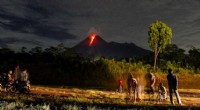
* Volcanic activity: Volcanoes release carbon dioxide (CO2) and other gases from the Earth's mantle. This CO2 is a significant source of atmospheric carbon.
* Metamorphism: High pressure and heat transform sedimentary rocks, including limestone, into metamorphic rocks like marble. Carbon can be trapped within these rocks.
* Plate tectonics: The movement of tectonic plates can bring carbon-rich rocks to the surface, where they can be exposed to weathering and erosion.
3. Human Activities:
* Fossil fuel combustion: The burning of fossil fuels (coal, oil, natural gas) releases large amounts of CO2 into the atmosphere. Some of this CO2 can dissolve in the ocean and become part of the geosphere.
* Cement production: The production of cement involves the heating of limestone, which releases CO2.
Here's a simple breakdown:
* Living organisms: Carbon is incorporated into living organisms (plants, animals) through photosynthesis and food chains.
* Death and decay: When organisms die, their carbon is released back into the atmosphere or the soil.
* Geological processes: Under specific conditions, carbon can be trapped in rocks (fossil fuels, limestone, etc.) or released by volcanic activity.
It's important to note that:
* The geosphere is a long-term carbon reservoir, holding carbon for millions of years.
* Human activities are significantly impacting the carbon cycle and increasing the amount of carbon in the atmosphere, which contributes to climate change.
Let me know if you would like me to elaborate on any of these processes in more detail!