Silica (SiO2) and viscosity are intimately connected in the formation of igneous rocks, significantly influencing their texture and mineral composition.
Here's how:
1. Silica Content:
* High Silica Content:
* High Viscosity: Magmas rich in silica (felsic) are highly viscous, like thick honey. They flow slowly, making it harder for gases to escape. This can lead to:
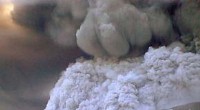
* Explosive Eruptions: Trapped gases build up pressure, resulting in violent eruptions, often producing ash and pyroclastic flows.
* Fine-Grained Textures: Slow cooling allows for the formation of small crystals (aphanitic), like in rhyolite and granite.
* High Crystallization Rates: Slow cooling promotes the formation of more complex and diverse minerals.
* Low Silica Content:
* Low Viscosity: Magmas with lower silica content (mafic) are more fluid, like syrup. They flow easily, allowing gases to escape. This leads to:
* Effusive Eruptions: Relatively calm eruptions with lava flows.
* Coarse-Grained Textures: Faster cooling allows for the formation of larger crystals (phaneritic), like in basalt and gabbro.
* Simpler Mineral Assemblages: Faster cooling limits the formation of complex minerals.
2. Viscosity's Impact:
* Viscosity's Role in Crystallization: Viscosity influences the rate and type of minerals that form.
* High viscosity impedes crystal growth, leading to smaller, more abundant crystals.
* Lower viscosity allows for larger crystals to develop.
* Eruption Style: Viscosity dictates the eruption style of a volcano.
* High viscosity magmas lead to explosive eruptions, while low viscosity magmas cause effusive eruptions.
3. Other Factors:
* Temperature: Higher temperatures decrease viscosity, making the magma more fluid.
* Water Content: Increased water content can lower viscosity, even in high-silica magmas.
* Dissolved Gases: The presence of dissolved gases can decrease viscosity and contribute to explosive eruptions.
In summary:
Silica content and viscosity are key factors influencing igneous rock characteristics. High silica content leads to high viscosity, explosive eruptions, and fine-grained textures. Conversely, low silica content results in low viscosity, effusive eruptions, and coarse-grained textures. Understanding this interplay is crucial for understanding the diverse range of igneous rocks on Earth.