Cartography is the science and art of creating and studying maps. It encompasses a wide range of topics, including:
* Map projection: Transforming the 3D Earth onto a 2D map.
* Map scale: The ratio between distances on the map and the corresponding distances on the Earth.
* Map symbols: Representing features like roads, rivers, cities, and mountains using standardized symbols.
* Map analysis: Interpreting and understanding the information presented on a map to draw conclusions about the real world.
While cartography focuses on maps, it's closely related to geography, which is the study of Earth's physical and human features.
Here are some other terms related to the study of Earth's surface features:
* Geomorphology: The study of landforms and their evolution.
* Topography: The arrangement of the natural and artificial features of a land surface.
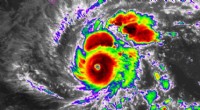
* Remote sensing: The use of technology to acquire information about Earth's surface from a distance, often using satellites or aircraft.
* Geographic information systems (GIS): Systems used for storing, analyzing, and visualizing geographic data.