Positive Impacts:
* Resource Availability: Location dictates access to natural resources like minerals, fertile land, water, and energy sources. Countries blessed with abundant resources have a head start in economic development.
* Climate and Agriculture: A favorable climate can boost agricultural productivity, leading to food security and exports.
* Trade and Transportation: Strategic locations near major trade routes or waterways can facilitate trade and transportation, leading to economic growth.
* Tourism: Beautiful landscapes, unique ecosystems, or historical sites can attract tourists, generating income and jobs.
* Military Advantage: Location can provide strategic advantages in defense, protecting borders or giving access to key waterways.
Negative Impacts:
* Climate Extremes: Harsh climates like deserts or polar regions can limit agriculture and human settlement.
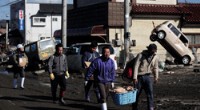
* Natural Disasters: Countries prone to earthquakes, volcanoes, floods, or hurricanes face economic and human costs.
* Resource Scarcity: Limited access to water, minerals, or fertile land can hinder development.
* Isolation: Remote locations can lead to isolation, limiting trade and cultural exchange, making development more challenging.
* Conflict: Location near unstable regions or contested borders can lead to conflict and insecurity.
Examples:
* Singapore: Its strategic location as a major port in Southeast Asia has fueled its economic success.
* Switzerland: Its mountainous landscape makes it a popular tourist destination, contributing to its economy.
* Japan: Its location on the Pacific Ring of Fire means it experiences frequent earthquakes, requiring significant investment in disaster preparedness.
* Australia: Its vast size and isolation have created unique wildlife and ecosystems but also present challenges for transportation and resource management.
Beyond Resources and Climate:
Location also shapes:
* Cultural Influences: Proximity to other cultures can lead to exchange of ideas, languages, and customs.
* Political Relationships: Location can determine alliances and strategic partnerships.
Conclusion:
Geographical location is a crucial factor shaping a country's development, resource endowment, climate, potential for trade, and even its culture and politics. Understanding the interplay between location and a country's circumstances is essential for making informed decisions about its future.