* Density Difference: Oceanic plates are primarily composed of basalt and gabbro, which are denser than the granitic rocks that make up continental plates. This density difference is the primary driver of subduction.
* Plate Motion: The movement of tectonic plates is driven by convection currents in the Earth's mantle. These currents pull the oceanic plate towards the continental plate.
* Subduction Zone Formation: As the denser oceanic plate dives beneath the continental plate, it creates a subduction zone. This zone is marked by a deep ocean trench, volcanic activity, and earthquakes.
Here's a breakdown of what happens at the collision:
* Trench Formation: The downward bend of the subducting oceanic plate creates a deep trench in the ocean floor.
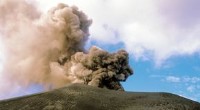
* Magma Generation: As the oceanic plate descends deeper into the Earth, the intense heat and pressure melt the surrounding mantle rocks. This molten material, known as magma, rises to the surface.
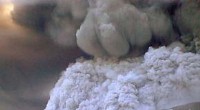
* Volcanic Arcs: The magma erupts through the overlying continental plate, forming volcanic arcs. These arcs are chains of volcanoes often located parallel to the trench.
* Earthquake Activity: The movement of the plates along the subduction zone causes earthquakes, which can be very powerful due to the immense forces involved.
Examples of this type of collision include the Andes Mountains in South America, the Cascade Range in North America, and the Japanese Islands.