Tropics:
* Location: The region lying between the Tropic of Cancer (23.5° N) and the Tropic of Capricorn (23.5° S).
* Sunlight: Receives the most direct sunlight throughout the year, leading to high solar radiation.
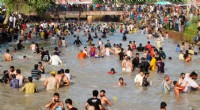
* Temperature: Hot and humid year-round. Average temperatures range from 20°C to 30°C (68°F to 86°F).
* Rainfall: Typically experiences high rainfall, often in the form of heavy thunderstorms.
* Climate Types:
* Tropical Rainforest: Hot, humid, and wet throughout the year.
* Tropical Monsoon: Distinct wet and dry seasons.
* Tropical Savanna: Warm temperatures with distinct wet and dry seasons.
* Biodiversity: Home to a diverse range of flora and fauna, including lush rainforests, savannas, and coral reefs.
Arctic:
* Location: The region surrounding the North Pole, including the Arctic Ocean and surrounding landmasses.
* Sunlight: Receives very little sunlight during winter, and long periods of daylight during summer.
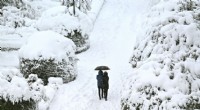
* Temperature: Extremely cold, with average temperatures below freezing for most of the year. Winter temperatures can reach -40°C (-40°F).
* Rainfall: Dry, with low precipitation throughout the year. Most precipitation falls as snow.
* Climate Type:
* Tundra: Cold, treeless, and characterized by permafrost (permanently frozen ground).
* Ice Caps and Glaciers: Permanent ice and snow cover large areas.
* Biodiversity: Relatively low compared to the tropics, with adaptations to survive extreme cold, including polar bears, seals, and reindeer.
Key Differences:
* Sunlight and Temperature: Tropics experience high solar radiation and warm temperatures year-round, while the Arctic has long periods of darkness and extreme cold.
* Precipitation: Tropics have high rainfall, while the Arctic is dry with low precipitation.
* Biodiversity: The tropics are rich in biodiversity, while the Arctic has a smaller range of species due to harsh conditions.
The contrasting climate conditions of the tropics and the Arctic lead to significantly different ecosystems and life forms.