Here's how it works:
1. Heating: Rocks absorb heat from the sun. Different minerals within the rock expand at different rates.
2. Expansion: As the rock heats up, the outer layers expand more than the inner layers. This creates internal stresses within the rock.
3. Cooling: When the rock cools down, it contracts. Again, the outer layers contract more than the inner layers.
4. Stress and Fractures: The repeated cycles of expansion and contraction create significant stress on the rock. Eventually, these stresses lead to fractures and cracks within the rock.
5. Erosion: Once the rock is fractured, it's much easier for wind, water, or ice to further break it down and carry away the pieces.
Examples of thermal weathering:
* Desert environments: The extreme temperature swings between day and night in deserts cause significant thermal expansion and contraction, leading to the breakdown of rocks.
* Forest fires: The intense heat from a forest fire can cause rocks to crack and break apart.
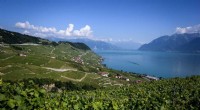
Note: Thermal weathering is a slow process, but over time, it can significantly change the landscape by breaking down mountains and forming valleys.