* Heating: Rocks absorb heat from the sun. Different minerals within the rock expand at different rates. This creates stress within the rock.
* Cooling: At night, the rock cools down. As it cools, it contracts, further increasing the stress.
* Expansion and Contraction: This repeated cycle of heating and cooling causes the rock to expand and contract. Over time, the stress weakens the rock, causing it to crack and break apart.
* Exfoliation: In some cases, the outer layers of the rock may peel off in sheets, a process called exfoliation. This is often seen in large granite formations, where the outer layers are exposed to the greatest temperature variations.
Factors Influencing Thermal Weathering:
* Temperature range: Larger temperature fluctuations lead to greater expansion and contraction, accelerating the weathering process.
* Rock type: Rocks with different mineral compositions have varying expansion and contraction rates, making some more susceptible to thermal weathering than others.
* Rock structure: Rocks with cracks, joints, or other structural weaknesses are more prone to breaking apart due to thermal stress.
Examples of Thermal Weathering:
* Desert landscapes: The extreme temperature swings in deserts contribute to the formation of rounded boulders and sandy surfaces.
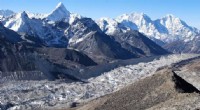
* Mountain peaks: The constant freeze-thaw cycles in high altitudes also play a role in breaking down rocks.
* Granite outcrops: The characteristic exfoliation of granite formations is a result of thermal weathering.
In summary, thermal weathering is a powerful force that can shape landscapes over time by breaking down rocks through the repeated heating and cooling process.