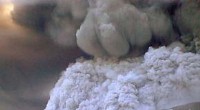
Volcanoes:
* Island Arcs: Chains of volcanoes that form on the overriding plate, often in a curved arc shape. Examples include the Aleutian Islands, the Mariana Islands, and the Lesser Antilles.
* Continental Volcanic Arcs: Volcanic ranges that develop along the edge of a continent, often with a distinct curvature. Examples include the Andes Mountains in South America and the Cascade Range in the US.
Other features:
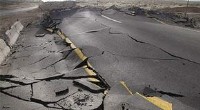
* Earthquakes: The movement of plates at subduction zones generates intense earthquakes. The most powerful earthquakes are often associated with subduction zones, like the 2011 Tohoku earthquake in Japan.
* Tsunamis: Subduction zone earthquakes can cause massive underwater landslides that displace large volumes of water, generating devastating tsunamis.
* Mountain Ranges: The collision and compression of plates at subduction zones can uplift mountains, sometimes forming vast mountain ranges. The Himalayas are a prominent example.
* Forearc Basins: Depressions in the overriding plate, located between the trench and the volcanic arc. These basins often accumulate sediments eroded from the mountains and can be sites of oil and gas deposits.
* Metamorphic Rocks: The intense heat and pressure associated with subduction can transform existing rocks into metamorphic rocks, often with unique textures and compositions.
* Ocean Trenches: These are deep depressions in the ocean floor that mark the location where one plate is being pulled beneath another.
In summary, subduction zones are dynamic and complex environments that generate a wide range of geological features, playing a crucial role in shaping Earth's surface.