1. Glaciation: The most significant factor is the repeated glaciation of the region during the Pleistocene epoch. Massive glaciers carved out the deep troughs and valleys that now form the inlets and channels of Puget Sound. As the glaciers retreated, they left behind vast amounts of sediment that filled in some areas, creating the islands and peninsulas that characterize the coastline.
2. Tectonic Activity: Puget Sound sits within the Cascadia subduction zone, where the Juan de Fuca Plate is sliding beneath the North American Plate. This tectonic activity causes uplift and subsidence, further contributing to the irregular shape of the coastline.
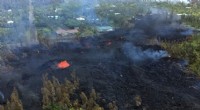
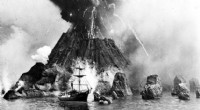
3. Volcanic Activity: Numerous volcanoes, both active and dormant, dot the Puget Sound region. Volcanic eruptions have created landforms such as Mount Rainier, Mount Baker, and the islands of the San Juan archipelago, adding to the complexity of the coastline.
4. River Erosion: Rivers flowing into Puget Sound have eroded and shaped the coastline, contributing to the formation of bays, estuaries, and deltas.
5. Sea Level Changes: Over time, sea level has fluctuated significantly. During periods of high sea level, the ocean flooded low-lying areas, creating inlets and bays. During periods of low sea level, these areas emerged as land, leading to the formation of islands and peninsulas.
6. Sediment Deposition: Sediment carried by rivers and glaciers has been deposited along the coastline, creating beaches, sandbars, and spits. These features further contribute to the irregular shape of the coastline.
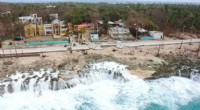
7. Erosion and Deposition: Ongoing processes of erosion and deposition continue to shape the coastline of Puget Sound. Waves, currents, and tides are constantly eroding cliffs and depositing sediment, creating new features and modifying existing ones.
The combination of these geological processes has resulted in the highly irregular and distinctive coastline of Puget Sound, characterized by its many inlets, islands, peninsulas, and intricate waterways. This unique geography has played a significant role in the region's history, culture, and economy, and continues to inspire awe and wonder.