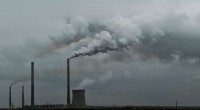
1. Energy Production:
* Fossil Fuel: The Interior Plains are home to abundant oil reserves, making it a crucial source of energy for the region and beyond. Oil is extracted, refined, and used for:
* Electricity generation: Oil is used in power plants to generate electricity.
* Transportation: Oil is refined into gasoline, diesel, and other fuels that power cars, trucks, trains, and planes.
* Industrial processes: Oil is used as a raw material in various industries, including manufacturing and agriculture.
2. Agriculture:
* Fertilizers: Oil is a key ingredient in the production of nitrogen fertilizers, vital for maintaining soil fertility and boosting crop yields.
* Pesticides: Some pesticides are derived from oil, helping to control pests and diseases in agriculture.
* Machinery: Oil powers the vast array of machinery used in agriculture, from tractors and combines to irrigation systems.
3. Manufacturing:
* Plastics: Oil is a primary feedstock for the production of various plastics used in everything from packaging and clothing to building materials and electronics.
* Chemicals: Oil is a source of many chemicals used in various industries, including pharmaceuticals, cosmetics, and paints.
4. Other Uses:
* Asphalt: Oil is used in the production of asphalt, which is used in road construction and other infrastructure projects.
* Lubricants: Oil-based lubricants are used in machinery to reduce friction and wear.
* Other products: Oil is also used in the production of a wide range of products, including pharmaceuticals, cosmetics, and detergents.
Environmental Concerns:
It's important to note that oil extraction and use have environmental impacts. These include:
* Habitat destruction: Oil extraction can disrupt natural habitats and ecosystems.
* Air and water pollution: Oil spills and leaks can pollute water sources and release harmful pollutants into the air.
* Climate change: Burning oil releases greenhouse gases, contributing to climate change.
Therefore, efforts are underway to develop cleaner and more sustainable energy sources to reduce dependence on oil and its environmental impacts.