1. Tectonic Plate Movement:
* The Earth's crust is made up of large plates called tectonic plates. These plates are constantly moving, colliding, and pulling apart.
* Convergent Plate Boundaries: When plates collide, one plate can slide under the other (subduction). This process melts the rock in the mantle, generating magma.
* Divergent Plate Boundaries: When plates pull apart, magma rises to the surface, creating new crust and volcanic activity.
2. Magma and Pressure:
* Magma is molten rock beneath the Earth's surface.
* As magma rises, it accumulates in chambers within the crust.
* The pressure of the magma increases as it pushes against the surrounding rock.
3. Eruption:
* Eventually, the pressure of the magma becomes too great for the surrounding rock to contain.
* The rock fractures, allowing the magma to erupt as lava, ash, and gases.
Types of Volcanic Eruptions:
* Effusive eruptions: Produce slow-moving, fluid lava flows.
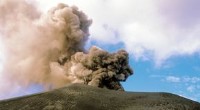
* Explosive eruptions: Involve violent explosions of gas and ash, often creating towering eruption columns.
Factors Influencing Eruptions:
* Composition of magma: Different types of magma (e.g., silica-rich or basalt) influence the eruption style.
* Gas content: Higher gas content leads to more explosive eruptions.
* Depth of magma chamber: Deeper chambers result in greater pressure.
In summary: Volcanic eruptions are a natural process driven by the movement of tectonic plates and the build-up of pressure within the Earth's crust. This pressure is released through the eruption of magma as lava, ash, and gases.