1. Rapid Burial:
- The dinosaur dies, either from natural causes or predation.
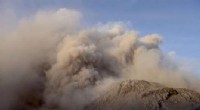
- Crucially, the body needs to be buried quickly under sediment (like sand, mud, or volcanic ash) to prevent scavenging and decomposition.
2. Decay and Mineralization:
- Soft tissues (skin, muscles, organs) decompose rapidly.
- Harder parts like bones, teeth, and sometimes shells remain.
- Water carrying dissolved minerals seeps into the porous bone.
- Over time, these minerals replace the original bone material in a process called permineralization. The bone's original shape and structure are preserved, but it's now made of stone-like material.
3. Erosion and Exposure:
- Over millions of years, layers of sediment build up, creating pressure and heat that can turn the sediment into rock.
- Eventually, tectonic shifts, erosion by wind and water, or other geological events bring the fossil-containing rock to the surface.
4. Discovery:
- Paleontologists (scientists who study fossils) carefully excavate the fossil.
- They use specialized tools and techniques to remove the fossil from the surrounding rock without damaging it.
Types of Dinosaur Fossils:
* Bones: Most common, providing information about size, shape, and locomotion.
* Teeth: Reveal diet, age, and even species.
* Footprints: Indicate how the dinosaur walked, ran, and interacted with its environment.
* Eggshells: Give clues about reproduction and nesting behavior.
* Coprolites (fossilized dung): Reveal diet and digestive processes.
Importance of Fossils:
- Dinosaur fossils offer a window into the prehistoric world.
- They help us understand evolution, extinction, and the history of life on Earth.
- They provide valuable insights into the climate, geography, and ecosystems of the past.