Here's a breakdown:
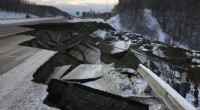
* Plate Tectonics: The Earth's outer layer is made up of massive plates that move slowly over time. These plates interact with each other at their boundaries, causing earthquakes and volcanoes.
* Types of Plate Boundaries:
* Divergent Boundaries: Where plates move apart. This creates space for magma to rise from the mantle, forming new crust and volcanoes. Earthquakes at these boundaries are usually less powerful. (Example: Mid-Atlantic Ridge)
* Convergent Boundaries: Where plates collide. This creates a lot of stress and friction, leading to earthquakes. If one plate subducts (sinks) under the other, it can melt, causing magma to rise and form volcanoes. (Example: The Pacific Ring of Fire)
* Transform Boundaries: Where plates slide past each other horizontally. This generates a lot of friction and causes earthquakes. These boundaries generally do not have volcanoes. (Example: San Andreas Fault)
Key Locations:
* The Pacific Ring of Fire: This is a horseshoe-shaped zone around the Pacific Ocean where the majority of the world's earthquakes and volcanoes occur. It is characterized by convergent plate boundaries.
* The Mid-Atlantic Ridge: This is a divergent plate boundary where new oceanic crust is being created. It runs down the middle of the Atlantic Ocean and is responsible for volcanic activity in Iceland.
* The Himalayas: The Himalayas were formed by the collision of the Indian and Eurasian plates (convergent boundary). The intense pressure causes earthquakes and volcanic activity in the region.
Remember: While earthquakes and volcanoes are most common at plate boundaries, they can also occur in areas where there are active faults within a tectonic plate.