Here's why it was so bad:
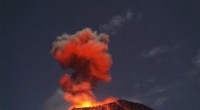
* Lahar: The eruption triggered a massive lahar, a fast-moving mudflow, when hot volcanic debris melted snow and ice on the volcano's summit. This lahar raced down river valleys, burying the town of Armero and other settlements.
* High Death Toll: The lahar killed an estimated 23,000 people, with Armero alone losing around 20,000 residents.
* Lack of Warning and Preparedness: Despite warnings from scientists about the volcano's potential for eruption and the risk of lahars, the Colombian government and local authorities failed to effectively communicate the danger and implement evacuation plans.
* Slow Response: The initial response to the disaster was slow and inadequate, further contributing to the high death toll.
The Armero tragedy highlighted the importance of:
* Volcano Monitoring: Continuous monitoring of active volcanoes is crucial for early warning systems.
* Hazard Assessment and Planning: Accurate assessments of volcanic hazards and development of effective evacuation plans are essential.
* Community Awareness: Educating communities about volcanic risks and emergency procedures is vital for preparedness.
While the Nevado del Ruiz eruption was a devastating event, it also served as a tragic reminder of the importance of effective volcanic risk management and preparedness.