What it's made of:
* Rock: The crust is primarily composed of various types of rock, including igneous, sedimentary, and metamorphic rocks.
* Minerals: These rocks are made up of various minerals, with common ones being quartz, feldspar, and mica.
Types of crust:
* Continental crust: This is the thicker, less dense crust that forms the continents. It's made up of mostly granite and is on average about 35 km thick, but can reach up to 70 km in some mountainous areas.
* Oceanic crust: This is thinner and denser, made up of basalt and gabbro. It lies beneath the oceans and is typically around 5-10 km thick.
Key features:
* Thinness: Compared to the Earth's overall size, the crust is incredibly thin.
* Fragile: It's the most brittle layer of the Earth and is broken up into tectonic plates.
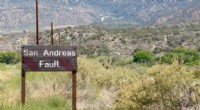
* Dynamic: The crust is constantly moving and interacting, resulting in phenomena like earthquakes, volcanoes, and mountain formation.
Importance:
* Life support: The crust provides the surface we live on and the soil we use for agriculture.
* Natural resources: It contains valuable resources like minerals, fossil fuels, and groundwater.
* Geological processes: It plays a crucial role in shaping the Earth's surface through tectonic plate movement and other geological processes.
Fun fact: The crust is like a giant, complex jigsaw puzzle, with its pieces (tectonic plates) constantly moving and interacting.