Weathering:
* Physical Weathering:
* Freezing and Thawing: Water expands when it freezes, putting pressure on cracks in rocks. Repeated freezing and thawing can cause the rock to break apart.
* Abrasion: Water carrying sediment like sand can grind against rock surfaces, wearing them down over time.
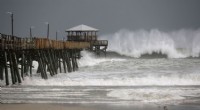
* Impact: Rain and waves can cause rocks to collide, breaking them into smaller pieces.
* Chemical Weathering:
* Dissolution: Water can dissolve some minerals in rocks, especially limestone and other carbonates. This can create caves, sinkholes, and other features.
* Hydrolysis: Water can react with some minerals in rocks, changing their chemical composition and making them weaker. This can lead to the breakdown of the rock.
* Oxidation: Water can help oxygen react with minerals in rocks, causing rusting and other changes.
Erosion:
* Transportation: Water can carry away weathered rock fragments, moving them to new locations.
* Deposition: When water slows down or changes direction, it can deposit the rock fragments it was carrying, forming sediments and new landforms like beaches, deltas, and alluvial fans.
Other Effects:
* Formation of Minerals: Water can carry dissolved minerals that can crystallize and form new minerals within cracks and voids in rocks.
* Formation of Landforms: Water is a key agent in the formation of canyons, valleys, waterfalls, and other geological features.
Examples:
* Grand Canyon: The Colorado River has eroded the Grand Canyon over millions of years through physical and chemical weathering and erosion.
* Karst Topography: Areas with soluble rock like limestone can have sinkholes, caves, and other features formed by the dissolving power of water.
* Beaches: Beaches are formed by the deposition of sand and other sediment carried by waves.
In summary, water plays a critical role in breaking down rocks, transporting them, and shaping the Earth's surface. It's a powerful force of nature that constantly reshapes the world around us.