Here's a breakdown of the relationship:
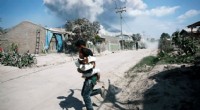
* Volcanic Earthquakes: Volcanoes are inherently unstable. The magma moving beneath the surface, the pressure buildup, and the release of gases can all trigger earthquakes. These are often small to moderate in magnitude and occur close to the volcano. They are considered harbingers of an eruption because they indicate that the volcano is becoming more active.
* Tectonic Earthquakes: Volcanoes often form along tectonic plate boundaries, where the plates are colliding or pulling apart. These plate movements can cause larger earthquakes that may or may not trigger volcanic activity.
* Not All Earthquakes Precede Eruptions: Some earthquakes in volcanic areas are unrelated to volcanic activity and are simply due to tectonic processes.
* Not All Eruptions Are Preceded by Earthquakes: While earthquakes are a common indicator of volcanic unrest, some eruptions can occur without any significant earthquake activity.
Therefore, it's more accurate to say that earthquakes can be a sign of volcanic activity, but they are not always a guarantee of an eruption.
Here's a simplified explanation:
Imagine a giant pot of boiling water on a stove. As the water heats up, it starts to bubble and jiggle the pot. These are the smaller earthquakes caused by the pressure build-up within the volcano. Sometimes, the pot boils over (eruption), but sometimes it doesn't. There are also larger jiggles from the stove itself (tectonic earthquakes) that can cause the pot to shake, but they don't necessarily mean the pot is going to boil over.
In conclusion, the relationship between earthquakes and volcanic eruptions is complex. While earthquakes can be a useful indicator of volcanic activity, they are not always a reliable predictor of an eruption.