1. Warm Water Origin: The Gulf Stream originates in the Gulf of Mexico, where warm, tropical waters are heated by the sun.
2. Northern Journey: The current flows northward along the eastern coast of North America, carrying this warm water.
3. Crossing the Atlantic: The Gulf Stream then crosses the Atlantic Ocean, eventually reaching the coast of Western Europe.
4. Heat Transfer: As the Gulf Stream moves northward, it transfers a tremendous amount of heat from the tropics to the higher latitudes. This heat warms the surrounding air and moderates the climate of Western Europe.
5. Moderating Temperatures: Without the Gulf Stream, Western Europe would be significantly colder. The current prevents the formation of ice in the region and helps create milder winters than would be expected at such high latitudes.
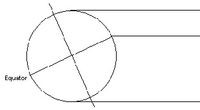
Here's a simple analogy: Imagine a giant conveyor belt carrying warm water from the tropics and delivering it to Western Europe. This heat transfer is what keeps the region warm, even though it's located far from the equator.
Other Factors: While the Gulf Stream is the primary driver of warm temperatures in Western Europe, other factors also contribute, such as:
* Prevailing Winds: Westerly winds blow from the Atlantic Ocean toward Europe, carrying warm air inland.
* Latitude: Western Europe is located at relatively high latitudes, but the Gulf Stream helps to mitigate the effects of cold, polar air masses.
The Gulf Stream is a vital part of the global climate system, and its importance for regulating regional temperatures cannot be overstated.