1. The San Andreas Fault:
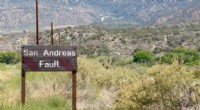
* Transform Plate Boundary: California sits on the boundary between the Pacific Plate and the North American Plate. These plates are moving horizontally past each other in a process called "transform faulting."
* Friction and Stress: As the plates grind against each other, immense friction builds up. This friction eventually overcomes the strength of the rocks, leading to sudden, violent releases of energy in the form of earthquakes.
* Active Fault System: The San Andreas Fault is a major fault line that stretches over 800 miles along the California coast. It's a complex system of interconnected faults, creating a network of seismic activity.
2. Subduction Zone:
* Pacific Plate Plunging: Off the coast of Northern California and Oregon, the Pacific Plate is being forced beneath the North American Plate in a process called subduction.
* Deep Earthquakes: This subduction zone generates earthquakes at much deeper depths than those along the San Andreas Fault, sometimes reaching up to 700 kilometers below the surface.
3. Active Volcanic Activity:
* Volcanic Arcs: The subduction zone also creates volcanic arcs, like the Cascade Range in Oregon and Washington. These volcanoes are another source of seismic activity.
* Magma Movement: The movement of magma beneath the surface can cause tremors and contribute to the overall seismic activity.
4. Historic Earthquakes:
* Magnitude 9.0 Earthquakes: California has experienced several major earthquakes in its history, including the 1906 San Francisco earthquake (Magnitude 7.8) and the 1989 Loma Prieta earthquake (Magnitude 6.9). These events have shown the region's vulnerability to strong earthquakes.
5. Ongoing Seismic Monitoring:
* Seismographs: Numerous seismographs are deployed across California, constantly monitoring seismic activity. This data helps scientists study earthquakes, track the movement of the plates, and predict potential future events.
Conclusion: The combination of the San Andreas Fault, the subduction zone, active volcanism, and historical seismic activity makes California's west coast one of the most seismically active regions in the world. While earthquakes are a part of life in this region, understanding the causes and learning how to prepare for them is crucial for safety and resilience.